

Architecture Practice
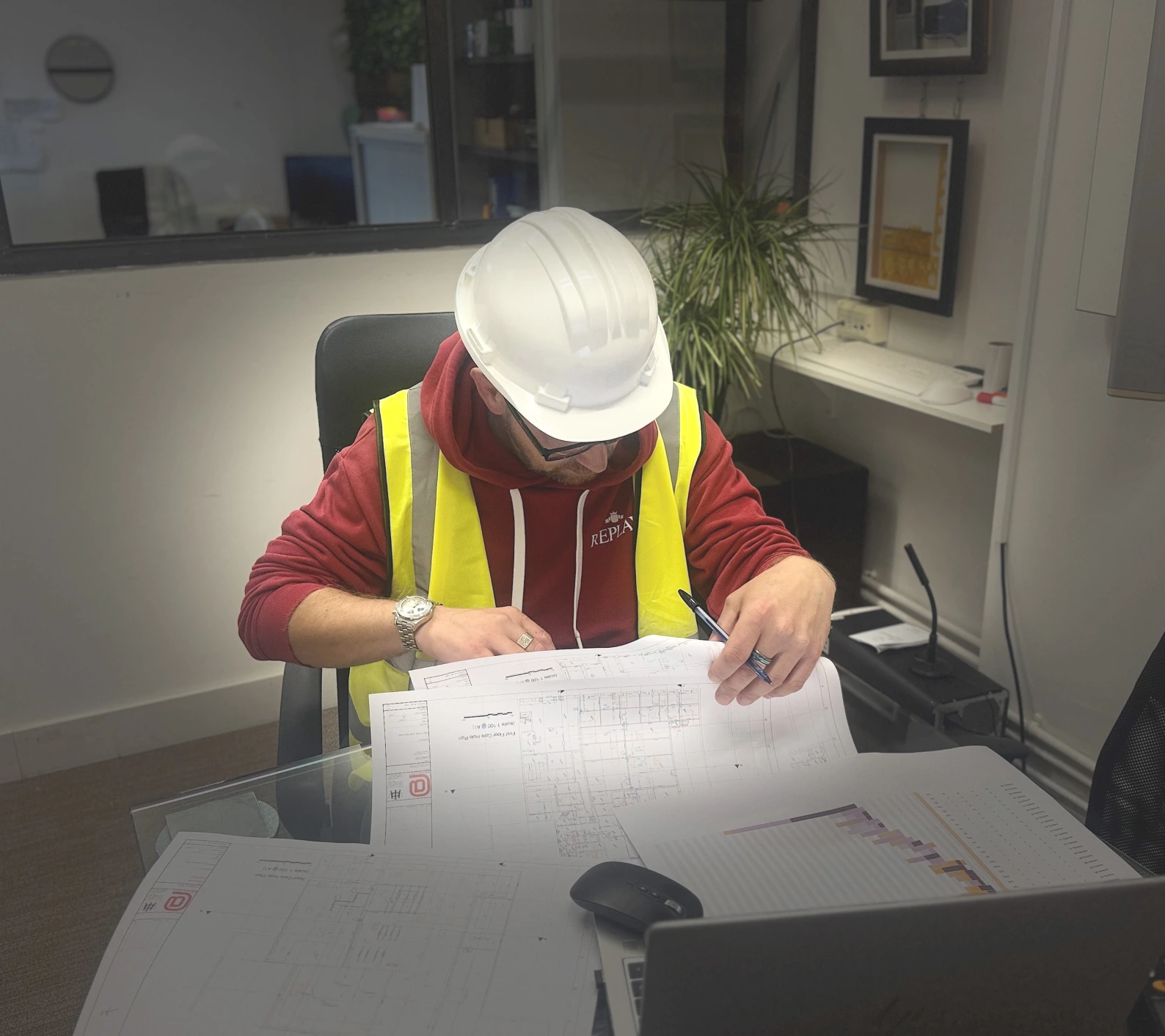
From Referral-Led to Intentional Growth: Bringing Clarity and Structure to an Architecture Practice
This architecture practice delivered strong work across retail and food & beverage sectors, yet growth remained unpredictable. With no clear ICP framework and heavy reliance on referrals and MD-led selling, pipeline lacked structure and visibility. This case study demonstrates how introducing commercial clarity, focused positioning and a structured BD rhythm shifted the practice from reactive growth to a more intentional, controllable trajectory.
Founder-Dependent Growth
Architect UK had a strong portfolio and solid reputation, particularly within retail and food & beverage sectors. However, growth was fragile.
ICPs were loosely defined and not shared internally.
Most new work came through referrals or chance conversations.
Business development sat almost entirely with the MD.
Pipeline was inconsistent and difficult to forecast.
The practice struggled to clearly articulate why they were the right choice in a competitive market.
Despite good work, growth relied more on luck and relationships than structure.
We treated this as a commercial foundations problem, not a lead generation exercise.
ICP definition – we ran structured ICP workshops to clearly define who the practice should target, where it created the most value and which work it should stop chasing.
Market positioning – we reshaped the practice’s value narrative so architectural expertise translated into commercial outcomes for decision-makers.
Visibility & credibility – we refined messaging and digital presence to support early-stage research and recognition, focusing on relevance rather than volume.
Client acquisition structure – we introduced a defined BD rhythm and CRM processes to reduce MD dependency and create consistency.
Clear, shared ICP framework across the business.
More focused BD activity and fewer poor-fit enquiries.
Improved pipeline visibility and predictability.
Reduced reliance on referrals and MD-led selling.
Greater confidence in how the practice presents itself to the market.
Growth shifted from reactive to intentional.





Stop guessing. Start growing.
Book your Growth Assessment and let’s build your growth engine.


